Holographic Backgrounds with Noise: A Visual Exploration and Practical Guide
Holographic backgrounds with noise are a unique visual design element that combines the reflective, multi-dimensional qualities of holography with subtle grain or texture to create depth and interest. These backgrounds are often used in digital art, web design, branding, and multimedia projects where a futuristic or high-tech aesthetic is desired. The addition of noise introduces a layer of realism, making the background more dynamic than a flat, glossy holographic surface.
When considering Holographic Backgrounds with Noise, it's important to understand not only what they are but also when and why they might be useful. This guide explores the characteristics, benefits, and potential drawbacks of using such backgrounds, helping you determine if they align with your creative or professional goals.
What Are Holographic Backgrounds with Noise?
Holographic backgrounds are typically created using light interference patterns that give the illusion of three-dimensionality. When combined with noise—a fine grain or texture—they add a tactile quality to the surface, breaking up the uniformity of the holographic effect. This combination can make the background appear more organic and less artificial, which is particularly useful in contexts where a balance between technology and natural elements is needed.
Noise in this context is not random; it is carefully applied to enhance the visual appeal without overwhelming the main content or design elements. It can range from very subtle to more pronounced, depending on the intended use and the designer’s preference.
Why Might You Be Interested in Holographic Backgrounds with Noise?
There are several reasons why someone might choose to use Holographic Backgrounds with Noise:
- Visual Appeal: They offer a striking, modern look that can draw attention and create a sense of innovation.
- Brand Identity: Companies aiming to project a futuristic or tech-savvy image may find these backgrounds useful for marketing materials, websites, or product packaging.
- Design Versatility: The noise adds a level of complexity that can complement various design styles, from minimalist to highly detailed.
- Emotional Impact: The dynamic nature of holographic visuals can evoke curiosity and engagement, making them effective in storytelling or user interface design.
Benefits and Tradeoffs
The primary benefit of Holographic Backgrounds with Noise is their ability to enhance visual interest while maintaining a cohesive design. They can elevate the perceived value of a product or brand, especially in industries like fashion, technology, and entertainment.
However, there are tradeoffs to consider. The complexity of these backgrounds can sometimes make them difficult to integrate into simpler designs. Additionally, overuse or improper application may lead to visual clutter, reducing readability or usability in certain contexts.
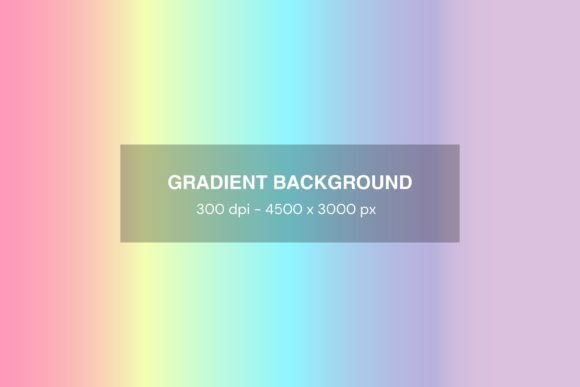
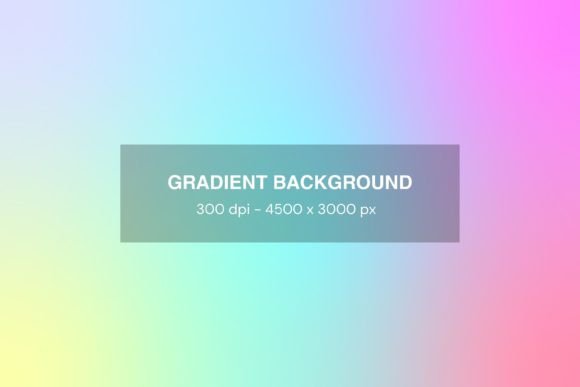
Another consideration is file size and performance. High-resolution versions of these backgrounds, such as those available at 4500 X 3000 pixels with 300 dpi, can be large files. This is important for web developers and designers who need to ensure fast loading times and compatibility across devices.
Situations Where Holographic Backgrounds with Noise Fit Well
Holographic Backgrounds with Noise are well-suited for projects that aim to convey a sense of innovation, luxury, or futurism. They work particularly well in:
- Product Launches: For new tech products or high-end fashion items, these backgrounds can create an immersive and engaging experience.
- Digital Art and Animation: Artists looking to push the boundaries of visual storytelling can use them to create rich, layered environments.
- Marketing Campaigns: In campaigns targeting younger demographics or tech enthusiasts, the use of holographic visuals can help stand out in a crowded market.
- Interior Design Presentations: When showcasing virtual spaces or concepts, these backgrounds can provide a realistic and captivating backdrop.
When Alternatives May Be Worth Considering
While Holographic Backgrounds with Noise have their strengths, there are situations where other options may be more appropriate. For instance:
- Simple Designs: If the goal is to maintain a clean, minimal look, a flat or subtly textured background may be better suited.
- Low Bandwidth Environments: Large, high-resolution files may not be ideal for mobile users or slow internet connections.
- Traditional Branding: Established brands with classic aesthetics may find these backgrounds too avant-garde for their identity.
- Readability Concerns: In contexts where text or images need to be clearly visible, overly complex backgrounds could interfere with legibility.
Practical Decision-Making Insights
Before deciding to use Holographic Backgrounds with Noise, consider the following questions:
- Does the background support the overall message or theme of the project?
- Will it enhance or detract from the user experience?
- Are there technical constraints, such as file size or compatibility, that need to be addressed?
- How does it align with the target audience's preferences and expectations?
It's also worth experimenting with different levels of noise and holographic effects to find the right balance for your specific needs. Testing the background in real-world conditions—such as on various screens and under different lighting—can help identify any potential issues before finalizing the design.
If you're interested in exploring Holographic Backgrounds with Noise further, downloading a high-quality version such as a Gradient background JPG – 4500 X 3000 pixels – 300 dpi or an EPS – 4500 X 3000 pixels – 300 dpi can provide the flexibility and resolution needed for both print and digital use. These formats are ideal for professionals who require precision and scalability in their work.
As you continue to explore this visual style, remember that the key to success lies in thoughtful application. Whether you're designing for a website, a product, or an artistic project, the goal should always be to enhance—not overwhelm—the viewer's experience.
Subscribe to me and get news about my new products ♥ Thank you for visiting me ♥ ♥ Leave your feedback and suggestions ♥.