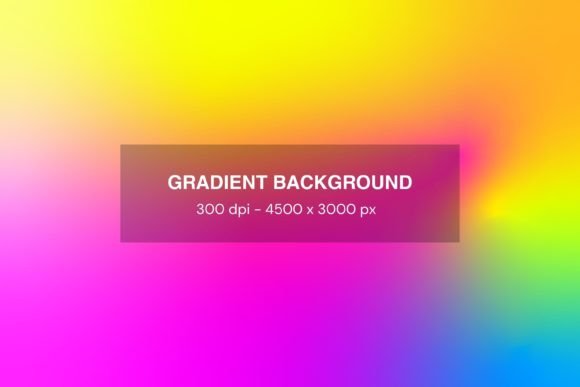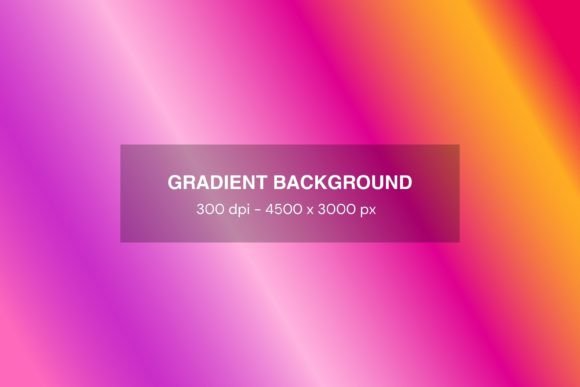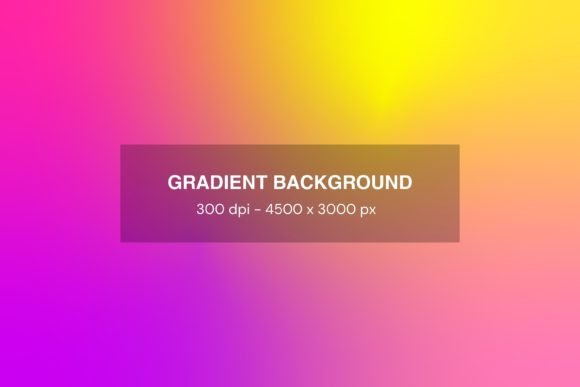
Pink Yellow Gradient Background: A Modern Visual Tool for Creativity and Branding
In today’s fast-paced digital world, visual aesthetics play a crucial role in capturing attention, conveying emotion, and enhancing user experience. One design element that has gained significant traction is the Pink Yellow Gradient Background. This vibrant and dynamic color transition offers a unique blend of warmth and energy, making it an ideal choice for a wide range of creative and professional applications.
The Appeal of Pink and Yellow in Design
The combination of pink and yellow is more than just visually appealing—it carries psychological and emotional significance. Pink is often associated with compassion, creativity, and calmness, while yellow symbolizes optimism, energy, and clarity. When combined in a gradient format, these two colors create a harmonious balance that can evoke feelings of positivity and inspiration.
This gradient is particularly popular in branding, marketing, and digital content creation. It works well for websites, social media posts, presentations, and even print materials. Its versatility allows it to be adapted to various industries, from fashion and lifestyle to technology and education.
Why Pink Yellow Gradient Background is Relevant Today
As design trends continue to evolve, there's a growing emphasis on creating visuals that are not only eye-catching but also emotionally resonant. The Pink Yellow Gradient Background fits perfectly into this shift. It aligns with current preferences for bold, expressive, and inclusive designs that reflect modern values such as innovation, inclusivity, and authenticity.
Moreover, the rise of remote work, digital nomadism, and online collaboration has increased the demand for high-quality, adaptable visual assets. Professionals, entrepreneurs, and creators now need resources that can seamlessly integrate into their workflows, whether they're designing presentations, crafting social media content, or developing brand identities.
What You Get After Downloading Gradient Background JPG – 4500 X 3000 Pixels – 300 DPI
When you download a Pink Yellow Gradient Background in JPG format with dimensions of 4500 x 3000 pixels and a resolution of 300 DPI, you’re getting a high-resolution image that is suitable for both digital and print use. This level of detail ensures that the gradient remains crisp and clear, even when scaled up for large-format printing or displayed on high-resolution screens.
The 300 DPI resolution is especially important for professionals who require precise and professional-grade outputs. Whether you're preparing a brochure, poster, or website banner, this resolution guarantees sharpness and vibrancy, making your designs stand out.
In addition to the JPG file, many creators also offer an EPS version of the same gradient background. EPS files are vector-based, which means they can be scaled without losing quality. This makes them ideal for graphic designers and illustrators who need flexibility in their projects. The EPS format also supports transparency, allowing for seamless integration with other design elements.
Practical Implications for Users and Creators
For individuals looking to enhance their personal or business projects, the Pink Yellow Gradient Background provides a versatile foundation. It can be used as a backdrop for photos, videos, or illustrations, helping to elevate the overall aesthetic of any content.
Professionals such as marketers and bloggers can leverage this gradient to create cohesive visual themes across different platforms. For example, a blog post featuring a pink-yellow gradient background can help reinforce a brand’s identity and make the content more engaging for readers.
Entrepreneurs and small business owners can benefit from using this gradient in their promotional materials. From packaging to advertisements, the right color scheme can influence consumer behavior and create a memorable brand experience.
Trends Shaping the Use of Gradient Backgrounds
The popularity of gradient backgrounds has been on the rise, driven by the increasing use of gradients in web design, app interfaces, and social media. Gradients add depth and dimension to flat designs, making them more visually interesting and dynamic.
With the rise of minimalism and clean design aesthetics, gradients have become a way to introduce subtle variation and movement without overwhelming the viewer. The Pink Yellow Gradient Background is a prime example of how gradients can be used to create a sense of flow and harmony in design.
Additionally, the trend towards personalized and customizable content has made high-quality, downloadable assets more valuable than ever. Users now expect to have access to tools and resources that allow them to express their individuality and creativity with ease.
How to Make the Most of Your Gradient Background
To get the most out of your Pink Yellow Gradient Background, consider experimenting with different layouts and compositions. Pair it with contrasting text, icons, or images to create a balanced and visually appealing design.
For digital use, ensure that the background doesn’t overpower the main content. Adjust brightness, contrast, or saturation to maintain readability and focus. If using the background for print, always check the color profile to ensure accurate reproduction.
Another tip is to stay updated with new design trends and techniques. As the design landscape continues to evolve, staying informed can help you make better decisions about how to use your gradient background effectively.
Subscribe and Stay Updated
If you're interested in exploring more creative resources and staying ahead of the curve, consider subscribing to my channel or following my updates. I regularly share new products, design tips, and insights that can help you enhance your creative workflow and achieve your goals.
Thank you for visiting me! I truly appreciate your support and engagement. Your feedback and suggestions are invaluable, so don’t hesitate to leave a comment or reach out directly. Together, we can continue to explore the exciting world of design and creativity.