Gradient Backgrounds: A Versatile Tool for Design and Creativity
In the world of digital design, a gradient background is more than just a visual element—it's a powerful tool that can elevate the aesthetics of websites, presentations, print media, and more. Whether you're an amateur designer or a professional looking to enhance your creative projects, understanding the value of gradient backgrounds can open up new possibilities for your work.
What Is a Gradient Background?
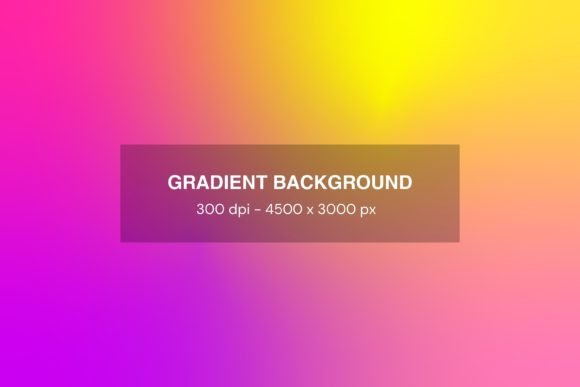
A gradient background refers to a transition between two or more colors in a smooth, gradual manner. Unlike solid color backgrounds, which are uniform across the entire surface, gradient backgrounds offer depth, dimension, and a sense of movement. They are commonly used in web design, graphic design, photography, and even in branding to create visually appealing compositions.
There are several types of gradients, including linear, radial, and conical gradients. Each offers a unique way to blend colors:
- Linear Gradient: Colors transition in a straight line, either horizontally, vertically, or at an angle.
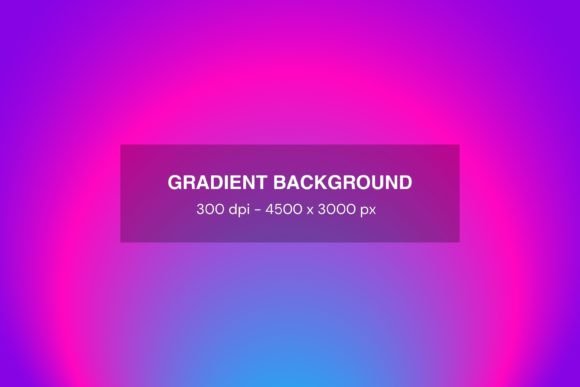
- Radial Gradient: Colors radiate outward from a central point, creating a circular or elliptical effect.
- Conical Gradient: Colors transition around a central point in a circular pattern, often used in UI design for buttons or icons.
These variations allow designers to choose the most appropriate type based on their project’s needs and desired visual impact.
Why Use Gradient Backgrounds?
Gradient backgrounds serve multiple purposes beyond just aesthetics. Here are some key reasons why they are widely used:
- Enhanced Visual Appeal: Gradients add depth and interest to otherwise flat designs. They help draw attention to important elements on a page and make the overall layout more dynamic.
- Improved Readability: When used effectively, gradients can improve readability by providing contrast between text and background. For example, a subtle gradient behind text can reduce glare and make it easier to read.
- Modern and Trendy Look: Gradients have become a staple in modern design trends, especially in web and app interfaces. Many popular websites and applications use gradients to create a sleek, contemporary look.
- Brand Identity: Companies often use custom gradients as part of their brand identity. These gradients can be incorporated into logos, marketing materials, and even website themes to maintain consistency and recognition.
By incorporating gradient backgrounds into your design projects, you can create a more engaging and visually appealing experience for your audience.
How to Use Gradient Backgrounds Effectively
While gradient backgrounds can enhance your designs, it's essential to use them correctly to avoid overwhelming the viewer. Here are some tips for using gradients effectively:
- Use Subtle Transitions: Avoid using too many colors or overly dramatic transitions. A subtle gradient can provide a soft, elegant look without distracting from the content.
- Balance with Other Elements: Ensure that the gradient doesn't overpower other design elements such as text, images, or icons. It should complement rather than compete with these components.
- Consider Contrast: Make sure there is enough contrast between the gradient and any text or foreground elements. This will ensure readability and accessibility.
- Experiment with Color Combinations: Try different color combinations to find what works best for your project. Tools like Adobe Color or online gradient generators can help you explore various options.
By following these guidelines, you can create gradient backgrounds that enhance your designs without compromising usability or clarity.
Where Can You Use Gradient Backgrounds?
Gradient backgrounds are incredibly versatile and can be used in a wide range of contexts. Some common applications include:
- Websites: Many websites use gradient backgrounds for headers, hero sections, and landing pages to create an eye-catching first impression.
- Presentation Slides: Adding a gradient background to presentation slides can make your content stand out and appear more professional.
- Print Media: Gradient backgrounds can also be used in print media such as brochures, posters, and business cards to add a touch of sophistication.
- Social Media Graphics: Social media platforms like Instagram, Facebook, and LinkedIn often feature gradient backgrounds in promotional graphics and banners.
Whether you're designing for the web or print, gradient backgrounds can help you create more visually compelling content.
Downloading Gradient Backgrounds – What You Get
If you're looking to use a high-quality gradient background in your projects, downloading one is a great option. When you download a gradient background, you typically receive files in various formats, each with its own advantages.
One common format is JPG (Joint Photographic Experts Group), which is ideal for photographs and images with complex color details. A typical download might include a 4500 x 3000 pixels image at 300 dpi resolution, ensuring sharpness and clarity when printed or displayed on large screens.
Another format available is EPS (Encapsulated PostScript), which is a vector-based file format. EPS files are scalable without losing quality, making them perfect for print design and illustrations. Like JPG, you may receive an EPS file with dimensions of 4500 x 3000 pixels and a resolution of 300 dpi.
Having access to both JPG and EPS formats gives you flexibility in how you use the gradient background—whether for digital display or high-resolution printing.
Benefits of High-Resolution Files
High-resolution files, such as those with 300 dpi and large pixel dimensions, offer several benefits:
- Clarity and Sharpness: Higher resolution ensures that the gradient appears crisp and clear, even when viewed up close or printed at larger sizes.
- Professional Quality: High-resolution files are essential for professional-grade printing and publishing. They ensure that your designs look polished and refined.
- Scalability: With a large pixel size like 4500 x 3000 pixels, you can scale the image without losing quality, making it suitable for a variety of uses—from social media posts to billboards.
Investing in high-quality gradient backgrounds can significantly enhance the professionalism and visual appeal of your projects.
Subscribe and Stay Updated
If you're interested in staying updated with new gradient backgrounds and other creative resources, consider subscribing to our channel. By doing so, you'll receive regular updates about new products, tutorials, and design inspiration that can help you take your creative projects to the next level.
Subscribe to me and get news about my new products ♥ Thank you for visiting me ♥
Your feedback and suggestions are also highly valued. Whether you have questions about gradient backgrounds or want to share your thoughts on how they can be used in different ways, we'd love to hear from you. Leave your feedback and suggestions to help us continue providing valuable content and resources for designers of all levels.