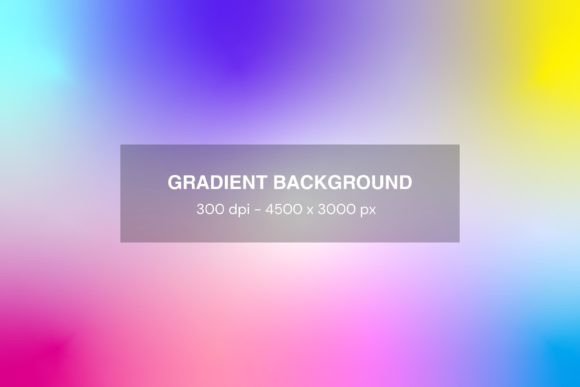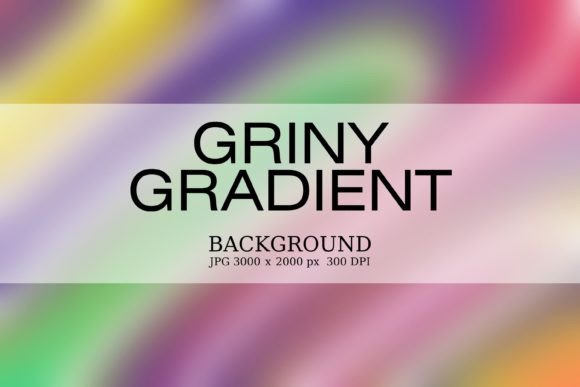
Exploring the Beauty and Utility of Multicolored Gradient Backgrounds
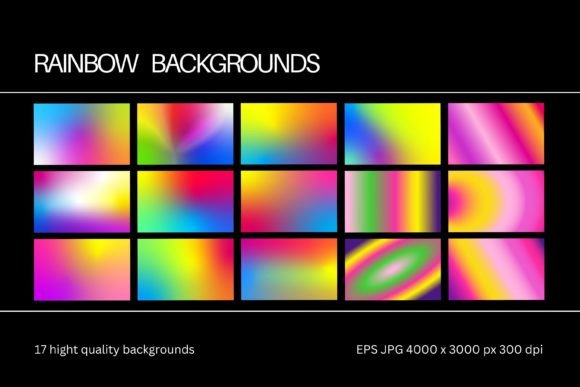
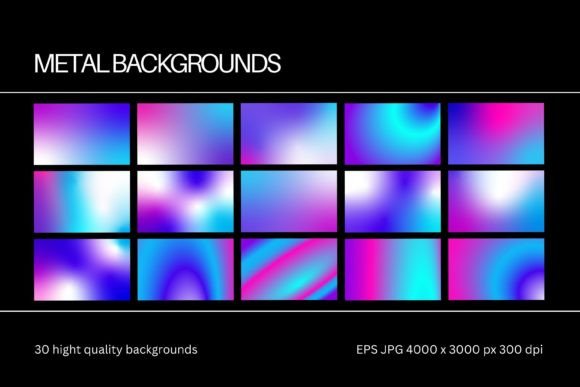
In today’s visually driven world, the way we present information, design spaces, and even express our creativity has evolved dramatically. One element that has gained significant traction in recent years is the use of multicolored gradient backgrounds. These dynamic designs offer a unique blend of color transitions that can elevate any project, from digital marketing campaigns to personal blogs and professional presentations.
A multicolored gradient background is more than just an aesthetic choice; it reflects current trends in design and user experience. As users become more discerning about visual content, businesses and creators are adapting by incorporating these gradients into their work. This shift is not only about aesthetics but also about meeting modern expectations for engaging and immersive experiences.
The Rise of Gradient Backgrounds in Modern Design
Gradient backgrounds have transitioned from being a niche design element to a mainstream feature across various industries. Their popularity is fueled by several factors, including advancements in digital tools, changing consumer preferences, and the increasing importance of visual storytelling.
With the rise of social media platforms like Instagram, Pinterest, and TikTok, there's a growing demand for eye-catching visuals that stand out. Multicolored gradients provide a vibrant backdrop that can draw attention and create a sense of depth and movement. They are often used in branding, website headers, app interfaces, and even in print materials to convey a sense of innovation and sophistication.
Moreover, as remote work and digital collaboration become more prevalent, the need for visually appealing online content has never been greater. A well-designed gradient background can enhance the overall look of a presentation, blog post, or marketing material, making it more engaging for the audience.
Practical Implications for Users and Creators
For individuals looking to enhance their digital presence, a multicolored gradient background offers numerous benefits. It can be used to create a cohesive brand identity, improve user engagement on websites, and make social media posts more visually appealing. Whether you're a marketer, educator, or freelancer, incorporating gradients into your work can help you stand out in a crowded digital landscape.
Professionals who create content for clients or audiences can leverage gradient backgrounds to evoke specific emotions or themes. For instance, a warm gradient might be used to create a welcoming atmosphere for a wellness brand, while a cool gradient could be ideal for a tech startup aiming to convey innovation and reliability.
Additionally, using high-quality images with the right resolution and size is crucial for maintaining visual clarity and professionalism. When downloading a gradient background JPG file that measures 3000 x 2000 pixels at 300 dpi, you ensure that it is suitable for both digital and print use. This level of detail is essential for those who want to maintain the integrity of their designs across different mediums.
How to Use Gradient Backgrounds Effectively
While gradient backgrounds can add a lot of visual interest, it's important to use them thoughtfully. Overusing or misapplying gradients can lead to cluttered designs that may overwhelm the viewer. Here are some tips for using multicolored gradients effectively:
- Balance is key: Ensure that the gradient complements other elements on the page rather than competing with them. Use contrasting colors or subtle transitions to create harmony.
- Consider context: The type of gradient you choose should align with the message or theme of your content. A vibrant gradient might be perfect for a creative portfolio, while a more subdued one could be better suited for a corporate website.
- Test on different devices: Make sure your gradient looks good on all screen sizes and resolutions. A background that looks great on a desktop may not translate well to a mobile device.
- Use overlays: To prevent text from becoming difficult to read, consider adding a semi-transparent overlay or adjusting the contrast of the gradient to ensure readability.
By following these guidelines, you can create visually stunning designs that communicate your message effectively without sacrificing usability or accessibility.
Why Downloading a High-Quality Gradient Background Matters
When you download a gradient background JPG file with dimensions of 3000 x 2000 pixels and a resolution of 300 dpi, you’re investing in quality that can make a difference in your projects. This resolution is particularly useful for print materials, where clarity and detail are paramount. Whether you're designing a brochure, poster, or business card, having a high-resolution image ensures that your work looks professional and polished.
For digital use, this level of detail is also beneficial. High-resolution images load faster and appear sharper on larger screens, which is especially important for websites and online portfolios. If you're planning to use your gradient background in multiple formats, such as for social media, email newsletters, or presentations, choosing a high-quality file will save you time and effort in the long run.
Furthermore, when you subscribe to updates about new products, you'll stay informed about the latest trends and tools that can help you enhance your creative workflow. Keeping up-to-date with new design resources and techniques can give you a competitive edge in your field.
Encouraging Feedback and Suggestions
As you explore the world of multicolored gradient backgrounds, it's important to remember that design is an ever-evolving field. What works today may not be as effective tomorrow. That's why feedback and suggestions from the community are invaluable. By sharing your thoughts and experiences, you contribute to a collective knowledge base that benefits everyone involved in design and creativity.
If you have ideas for new gradient styles, color combinations, or applications, don't hesitate to share them. Your input can inspire others and potentially influence future product developments. Engaging with the design community through comments, social media, or direct messages can foster collaboration and innovation.
Thank you for visiting and taking the time to learn about the power of multicolored gradient backgrounds. I hope this article has provided you with useful insights and practical recommendations that you can apply to your own projects. Don't forget to subscribe for updates on new products and features that can enhance your creative journey. Your support means a lot, and I'm excited to see how you'll use these tools in your work!